Introduction
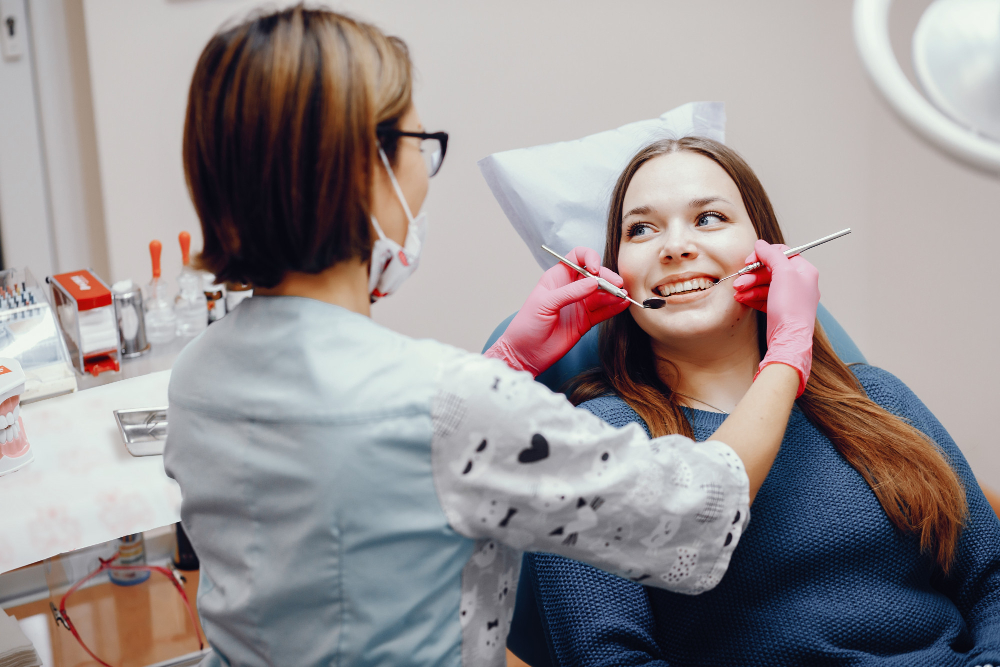
Regular oral checkups are visits to the dentist for a full mouth exam and cleaning. These visits are important for keeping your teeth and gums healthy. In fact, the importance of regular oral checkups cannot be overstated. Dentists look for early signs of problems, such as cavities or gum disease. As a result, you can avoid pain and costly treatments later. According to the CDC, regular dental visits help prevent most oral health issues. Therefore, making these checkups a habit is a smart choice for everyone.
Key Benefits of Regular Oral Checkups
There are many benefits of dental visits. Here are some of the most important ones:
Because of these benefits, preventive dental care is a wise investment in your health.
What to Expect During a Dental Checkup
Many people feel nervous before a dental visit. However, knowing what happens can help you feel at ease. During a checkup, you can expect these steps:
Most visits are quick and painless. In addition, regular checkups make each visit easier over time.
How Often Should You Get an Oral Checkup?
Many people ask, “How often to see a dentist?” The answer depends on your needs. Most experts, including the CDC and WHO, suggest visiting the dentist every six months. However, some people may need to go more often. For example, if you have gum disease or frequent cavities, your dentist may recommend more visits. On the other hand, people with very healthy teeth may need fewer visits. Always follow your dentist’s advice for the best results.
Tips for Maintaining Oral Health Between Visits
Good habits at home help keep your mouth healthy between checkups. Here are some simple tips:
By following these steps, you can support your oral health and make your next dental visit easier.
Common Myths About Dental Checkups
There are many myths about dental visits. Let’s clear up some common ones:
Understanding the facts helps you make better choices for your oral health.
Conclusion
In summary, the importance of regular oral checkups is clear. These visits help prevent problems, save money, and keep your smile bright. Therefore, do not wait for pain or trouble to see a dentist. Consult a dentist for personalized oral health advice.