
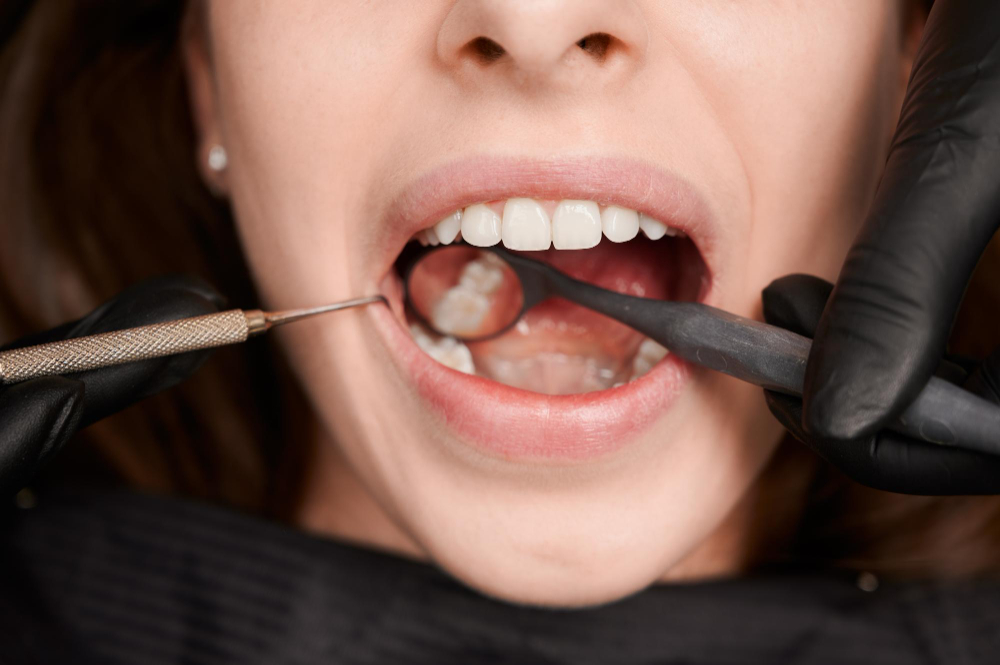
Pit and fissure sealants are a simple way to protect teeth from cavities. But how are pit and fissure sealants applied? This blog explains the dental sealant procedure in easy steps. Sealants are thin coatings placed on the chewing surfaces of back teeth. They help keep food and germs out of tiny grooves, making teeth easier to clean. Because of this, sealants are important for dental health, especially in children and teens.
What Are Pit and Fissure Sealants?
Pit and fissure sealants are special materials used by dentists. They cover the deep grooves and pits on the chewing surfaces of molars and premolars. Usually, these grooves are hard to clean with a toothbrush. As a result, food and germs can get stuck and cause cavities. However, sealants act as a barrier. They stop food and bacteria from settling in these areas. The sealant is clear or white, so it blends in with your teeth. According to the Centers for Disease Control and Prevention (CDC), sealants can reduce the risk of cavities by up to 80% in molars.
Why Are Pit and Fissure Sealants Important?
Sealants play a big role in protecting teeth from cavities. For example, children and teenagers often get cavities in their back teeth. This is because these teeth have deep grooves. Even with good brushing, these areas can be missed. Therefore, sealants help by covering these spots. Not only do they prevent cavities, but they also save time and money on future dental treatments. In addition, sealants are safe and painless. The American Dental Association (ADA) recommends sealants for children as soon as their permanent molars come in.
Step-by-Step: How Are Pit and Fissure Sealants Applied?
The dental sealant procedure is quick and easy. Here are the sealant application steps:
After these steps, the tooth is protected. The whole process usually takes only a few minutes per tooth. Most children feel no pain during the procedure.
Aftercare and Tips for Sealants
Once sealants are in place, caring for them is simple. Still, there are a few things to remember:
With proper care, sealants can last several years. However, your dentist will check them at each visit.
Frequently Asked Questions (FAQs)
In summary, pit and fissure sealants are a simple way to protect teeth from cavities. The dental sealant procedure is quick, safe, and effective. Consult your dentist to learn if pit and fissure sealants are right for you.