What Are Dental Implants?
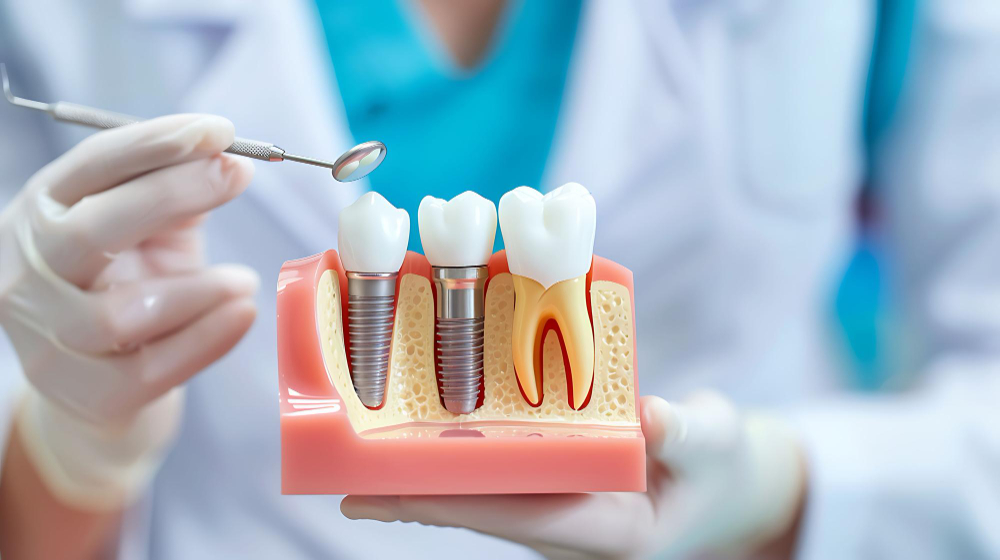
Dental implants are artificial tooth roots. Dentists use them to replace missing teeth. Usually, they are made of strong metal, like titanium. Because they act like real roots, they help support crowns, bridges, or dentures. In many cases, dental implants look and feel like natural teeth. For people with missing teeth, dental implants can restore both function and appearance.
Who Needs Dental Implants?
Not everyone needs dental implants. However, they are a good option for many people. You may need dental implants if you:
Still, your dentist will check your mouth and health before recommending dental implants.
Benefits of Dental Implants
Dental implants offer many benefits. For example, they:
Because of these benefits, dental implants are a popular choice for replacing missing teeth.
The Dental Implant Procedure (Step-by-Step)
Getting dental implants involves several steps. Usually, the process takes a few months. Here is what you can expect:
Although the dental implant procedure takes time, each step is important for a strong, lasting result.
Aftercare and Recovery Tips
Proper aftercare helps your dental implants last longer. Here are some tips:
With good dental implant aftercare, you can enjoy your new smile for many years.
Risks and Considerations
Dental implants are safe for most people. However, there are some risks. For example, you may have:
Although these problems are rare, it is important to follow your dentist’s advice. People with certain health conditions, like uncontrolled diabetes, may have higher risks. Always discuss your health history with your dentist before starting the dental implant procedure.
Frequently Asked Questions about Dental Implants
Conclusion and Next Steps
Dental implants are a strong, natural-looking way to replace missing teeth. They offer many benefits and can improve your quality of life. However, it is important to follow your dentist’s advice for the best results. If you are thinking about dental implants, consult a dental specialist for personalized advice on dental implants.