What Is Teeth Sensitivity?
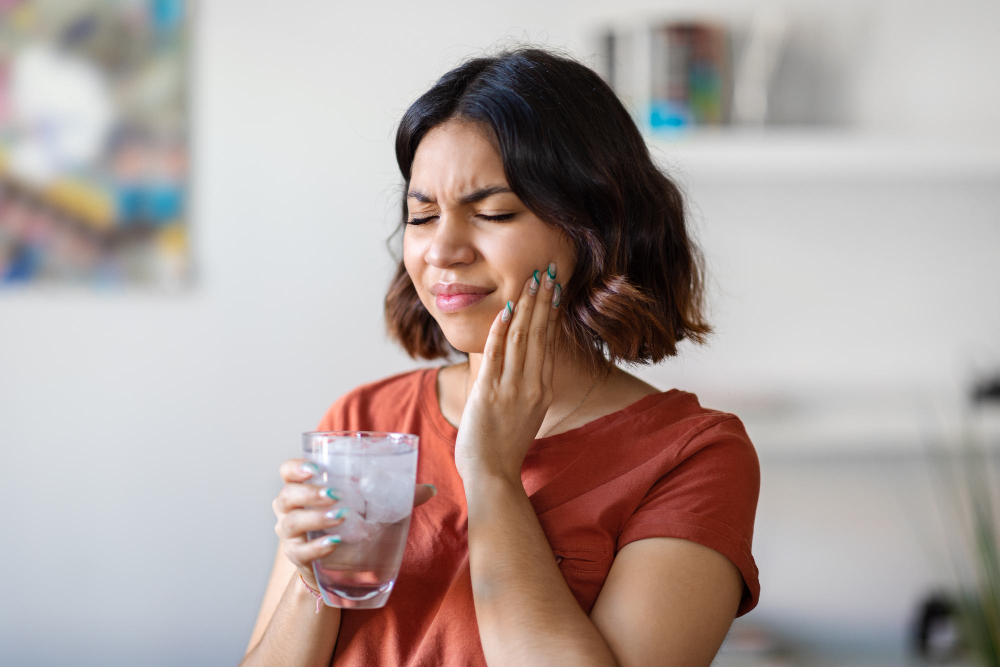
Teeth sensitivity means feeling pain or discomfort in your teeth. Often, this happens when you eat or drink something hot, cold, sweet, or sour. For many people, teeth sensitivity can make daily life less enjoyable. In fact, teeth sensitivity is a common dental problem. According to the American Dental Association, millions of people experience it at some point. While it may seem minor, it can signal other dental issues. Therefore, it is important to understand why it happens and how dentists can help.
Common Symptoms of Sensitive Teeth
People with sensitive teeth often notice certain signs. These symptoms can come and go. However, they may get worse over time if not treated. Common symptoms include:
Sometimes, the pain is mild. Other times, it can be strong and sudden. Because these symptoms can affect daily life, it is important to seek help from a dentist for sensitive teeth.
Main Causes of Teeth Sensitivity
Teeth sensitivity can happen for many reasons. For example, the protective layer on your teeth, called enamel, can wear down. When this happens, the inner part of the tooth becomes exposed. As a result, nerves inside the tooth react to hot, cold, or sweet foods. Common causes include:
Because many things can cause sensitive teeth, it is best to see a dentist for a proper checkup.
How Dentists Diagnose Sensitive Teeth
First, dentists will ask about your symptoms. Next, they will look at your teeth and gums. Sometimes, they may use special tools to check for pain. For example, they might blow air on your teeth or tap them gently. In some cases, dentists will take X-rays to look for hidden problems. This helps them find the exact cause of your teeth sensitivity. Once they know the cause, they can suggest the best sensitive teeth treatment for you.
Effective Treatments for Teeth Sensitivity
There are many ways dentists can help with teeth sensitivity. The right treatment depends on the cause. Some common treatments include:
Sometimes, dentists may suggest more than one treatment. Because each person is different, your dentist will create a plan just for you. According to the CDC, regular dental visits help catch problems early and keep your teeth healthy.
Tips to Prevent and Manage Sensitive Teeth
Even though teeth sensitivity can be bothersome, there are steps you can take to prevent it. With good habits, you can also manage pain at home. Here are some helpful tips:
Because prevention is key, following these tips can help reduce your risk. If you notice pain or discomfort, it is important to talk to your dentist. They can guide you on how to prevent tooth sensitivity and keep your smile healthy.