
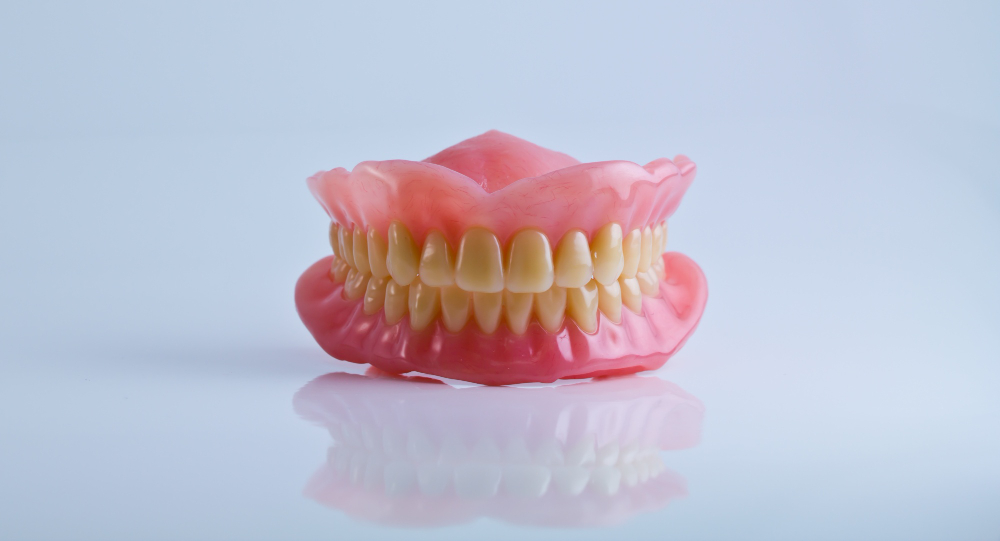
What Are Fixed Partial Dentures (FPD)?
Fixed Partial Dentures (FPD), often called dental bridges, are a common solution for missing teeth. Unlike removable dentures, FPD stays in your mouth. Dentists attach them to nearby teeth or implants. As a result, you can eat and speak more easily. Many people choose FPD because it feels like natural teeth. According to the World Health Organization, replacing missing teeth helps improve oral health and quality of life.
Common Symptoms and When FPD Is Needed
Sometimes, missing teeth cause problems. You may notice these symptoms:
If you have any of these issues, you might need Fixed Partial Dentures. In many cases, early treatment prevents further dental problems.
Causes Leading to the Need for FPD
There are several reasons why someone may need FPD. For example, tooth loss can happen due to:
Because missing teeth affect your bite and appearance, dentists often recommend FPD as a reliable solution.
Diagnosis and Assessment for FPD
First, your dentist will check your mouth and teeth. They may take X-rays to see the bone and roots. Next, the dentist will ask about your health and dental history. Sometimes, they use models of your teeth to plan the treatment. This careful assessment helps decide if FPD is right for you. According to the CDC, a full dental exam is important before any dental bridge procedure.
Treatment Options: How FPD Works
There are different types of Fixed Partial Dentures. Most often, dentists use these steps:
In some cases, dental implants support the bridge. Your dentist will explain which option suits you best. Because FPD is fixed, you do not remove it daily.
Benefits and Risks of FPD
Fixed Partial Dentures offer many benefits. For instance, they:
However, there are some risks. These may include:
Although most people do well with FPD, regular dental visits help catch problems early.
Care and Maintenance Tips for FPD
Proper care keeps your FPD in good shape. Here are some FPD care tips:
With good care, your dental bridge can last many years. In addition, following your dentist’s advice helps prevent future issues.
Prevention: How to Avoid Needing FPD
While FPD is a great solution, it is better to prevent tooth loss. You can lower your risk by:
Because prevention is easier than treatment, these habits help keep your natural teeth healthy.
In summary, Fixed Partial Dentures (FPD) are a trusted way to replace missing teeth. They restore function and appearance. If you think you may need FPD, consult a dental specialist for personalized advice on Fixed Partial Dentures (FPD).