Introduction to Myofunctional Therapy
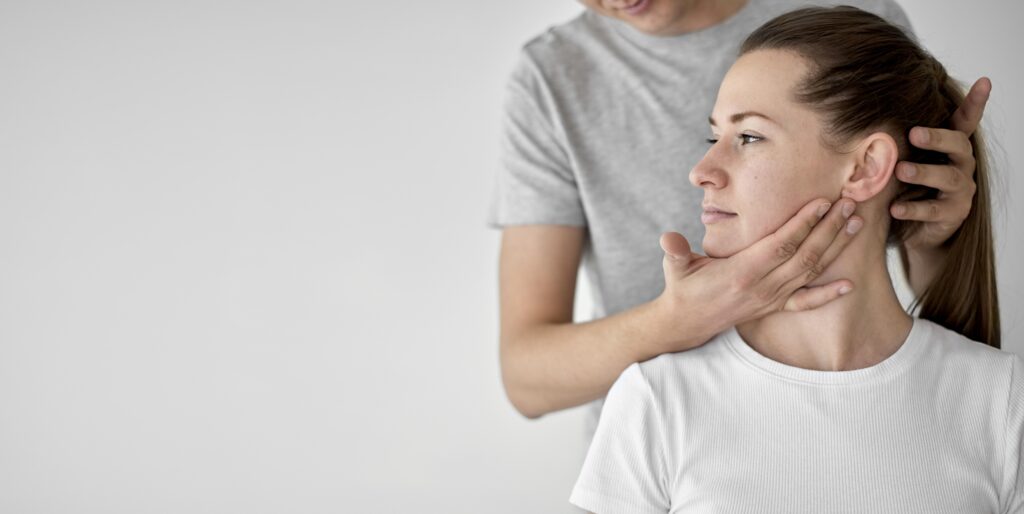
Myofunctional therapy is a special type of treatment that uses simple oral muscle exercises. These exercises help improve how your mouth, tongue, and face muscles work. Many people do not realize that weak or unbalanced muscles in the mouth can cause problems with breathing, speaking, and even sleeping. Because of this, myofunctional therapy is growing in popularity. Dentists and therapists use it to help both children and adults.
Common Symptoms and Issues Addressed by Myofunctional Therapy
Many people have symptoms that may improve with myofunctional therapy. For example, you may notice trouble with breathing through your nose or frequent mouth breathing. Other signs include:
Often, these issues can affect daily life. However, with the right therapy, many people see real improvements.
Causes and Risk Factors for Myofunctional Problems
Several things can lead to myofunctional problems. For instance, habits like thumb sucking or using a pacifier for too long may affect muscle balance. Sometimes, allergies or blocked nasal passages force people to breathe through their mouths. In addition, tongue ties or other mouth structure issues can play a role. Genetics may also make some people more likely to have these problems. Because of these factors, it is important to look for early signs and seek help when needed.
Diagnosis: How Dental Professionals Identify Candidates
Dental professionals use special checks to see if someone needs myofunctional therapy. First, they ask about symptoms and habits. Next, they look at how the mouth, tongue, and face muscles move. Sometimes, they may use simple tests to watch how you swallow or speak. In some cases, they may take pictures or use special tools to check the mouth. If they find muscle weakness or poor habits, they may suggest myofunctional therapy as a solution.
Treatment Process: What to Expect During Therapy Sessions
During myofunctional therapy, you will learn and practice oral muscle exercises. These exercises are easy and do not hurt. For example, you may practice moving your tongue in certain ways or holding your lips together. Each session lasts about 30 to 45 minutes. Usually, you will visit the therapist once a week. At home, you will need to practice the exercises every day. Over time, these exercises help train your muscles to work better. As a result, you may notice improvements in breathing, speech, and eating.
Benefits and Outcomes of Myofunctional Therapy
Many people see big changes after starting myofunctional therapy. Some of the main benefits include:
According to studies in dental journals, most people who follow the program closely see lasting results. However, it is important to keep up with the exercises for the best outcome.
Lifestyle Tips and Prevention Strategies
There are simple steps you can take to support healthy mouth muscles. For example, try to breathe through your nose instead of your mouth. Encourage children to stop thumb sucking early. In addition, keep up with regular dental visits. If you notice speech or eating problems, talk to a dental professional. Early action can prevent bigger issues later on.
Frequently Asked Questions (FAQ) About Myofunctional Therapy
Conclusion
Myofunctional therapy offers a simple way to improve mouth and face muscle function. Because it is safe and easy, many people benefit from these oral muscle exercises. If you have symptoms or want to learn more, consult a qualified dental specialist to see if myofunctional therapy is right for you.