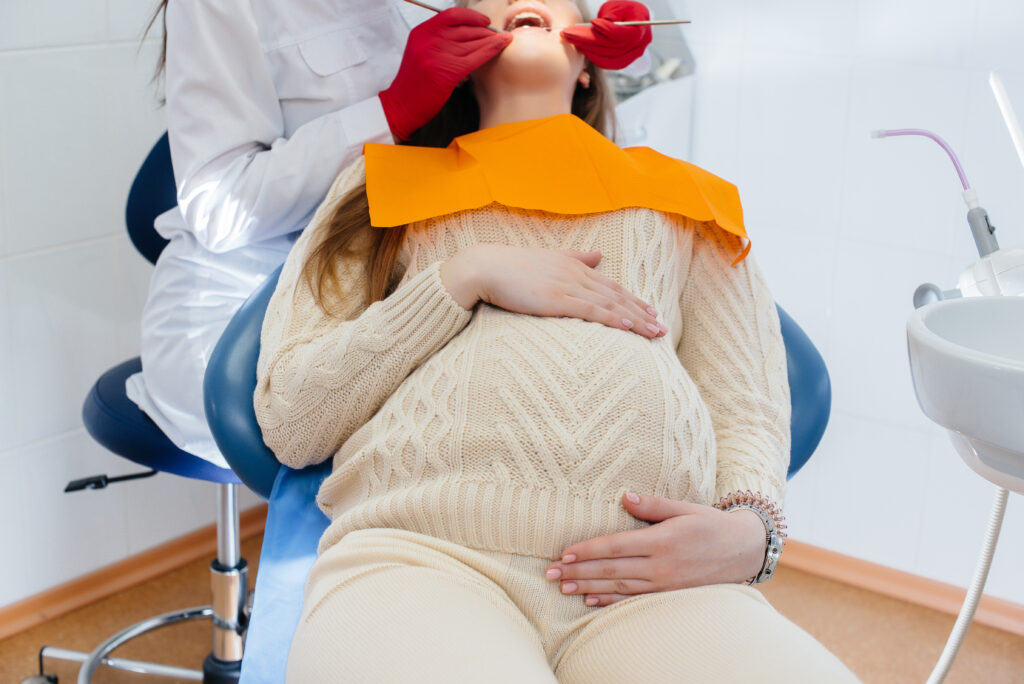
Pregnancy & Oral Health are closely linked. During pregnancy, your body changes in many ways. These changes can affect your mouth and gums. For example, dental care during pregnancy is important because gum disease in pregnancy can harm both mother and baby. In fact, oral hygiene tips for pregnant women help prevent problems like swollen gums, tooth decay, and infections. Therefore, knowing how to care for your teeth and gums during pregnancy is key for a healthy smile and a healthy baby.
Why Oral Health Matters During Pregnancy
Good oral health is important for everyone. However, it is even more important during pregnancy. Hormone changes can make your gums more sensitive. As a result, you may notice bleeding or swelling. In some cases, poor oral health can lead to infections. These infections may increase the risk of early birth or low birth weight. So, taking care of your teeth and gums helps protect both you and your baby.
Common Oral Health Issues in Pregnancy
Pregnant women can face several mouth problems. Some of the most common issues include:
Because these problems are common, regular dental checkups are important during pregnancy.
Symptoms to Watch For
It is important to notice any changes in your mouth. Watch for these symptoms:
If you notice any of these signs, contact your dentist. Early care can prevent bigger problems.
Causes and Risk Factors
Many things can raise your risk of mouth problems during pregnancy. For instance, hormone changes make your gums more sensitive. In addition, morning sickness can expose your teeth to stomach acid. This acid can weaken tooth enamel. Eating more snacks or sugary foods can also increase the risk of tooth decay. Poor brushing and flossing habits make things worse. Smoking or having diabetes can further raise your risk.
Diagnosis and When to See a Dentist
Regular dental visits are safe and important during pregnancy. Dentists can check for gum disease, tooth decay, and other issues. If you have pain, swelling, or bleeding, see your dentist soon. In fact, the American Dental Association and CDC recommend at least one dental checkup during pregnancy. X-rays are safe with proper shielding, but always tell your dentist you are pregnant. Early diagnosis helps prevent serious problems.
Safe Dental Treatments During Pregnancy
Many dental treatments are safe for pregnant women. However, it is best to plan major dental work before or after pregnancy if possible. During pregnancy, these treatments are usually safe:
Most dentists avoid using certain medicines or X-rays unless needed. The second trimester is often the best time for dental work. Always let your dentist know you are pregnant.
Prevention and Oral Hygiene Tips
Good oral hygiene can prevent many problems. Try these tips for a healthy mouth during pregnancy:
Because prevention is easier than treatment, these habits can keep your smile healthy.
Lifestyle Guidance for Expectant Mothers
Healthy habits support both your oral and overall health. For example, eat a balanced diet with fruits, vegetables, and dairy. Drink plenty of water to keep your mouth clean. Avoid smoking and limit caffeine. If you live in a city with special pregnancy dental care, ask about local programs. In addition, talk to your doctor or dentist before taking any new medicines or supplements.
In summary, caring for your teeth and gums during pregnancy is important for you and your baby. Consult your dentist or healthcare provider for personalized advice during pregnancy.