What Are Gum Diseases?
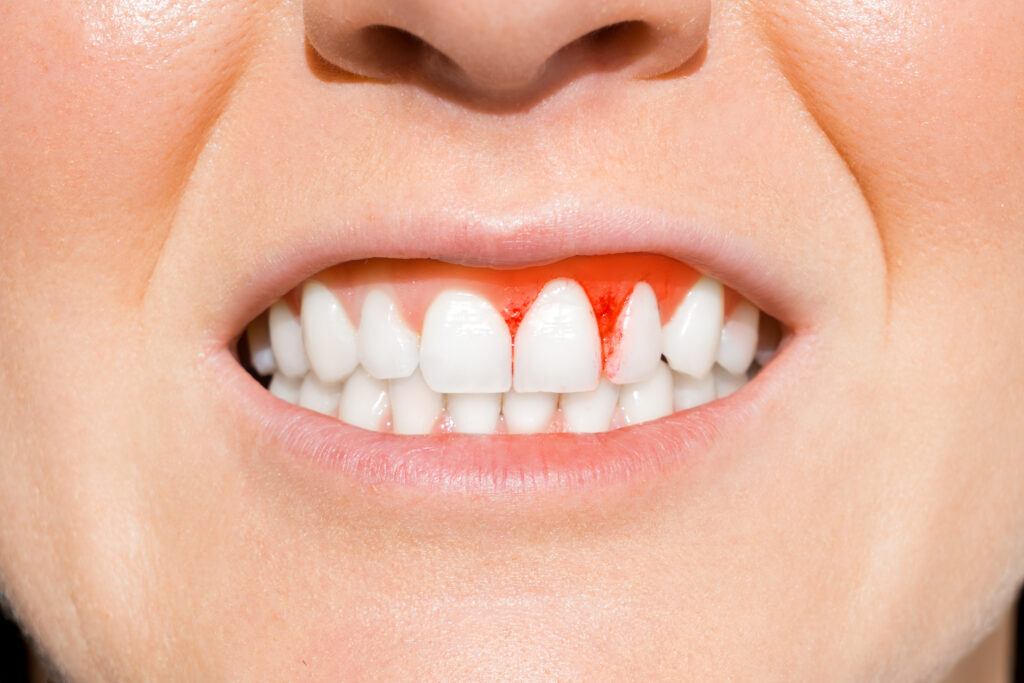
Gum diseases are common problems that affect the tissues around your teeth. These diseases can cause swelling, redness, and even tooth loss if not treated. Most people know gum diseases as gingivitis or periodontitis. Early care can help prevent serious issues. According to the CDC, gum diseases are a leading cause of tooth loss in adults. Because gum health is important for your whole body, learning about these conditions is key.
Common Symptoms of Gum Diseases
It is important to spot gum disease symptoms early. This helps you get the right treatment quickly. Watch for these signs:
If you notice any of these symptoms, you should see a dentist soon. Early treatment can stop the disease from getting worse.
Causes and Risk Factors
Gum diseases usually start with plaque. Plaque is a sticky film of bacteria on your teeth. If not removed, it can harden into tartar. This leads to gum irritation and infection. However, several factors can raise your risk:
Because some risks can be controlled, good oral care is very important. But even with good habits, some people may still develop gum diseases.
Diagnosis of Gum Diseases
Early diagnosis is key for gum disease treatment. Dentists check your gums during regular visits. They may:
With these steps, dentists can find gum diseases early. This helps you get the right care before problems get worse.
Treatment Options
Gum disease treatment depends on how severe the problem is. For mild cases, simple steps may help. For more serious cases, your dentist may suggest other treatments. Common options include:
Because early treatment works best, do not wait if you notice symptoms. In some cities, you can find special clinics for gum disease treatment. Ask your dentist about the best options for you.
Prevention Tips and Oral Hygiene
Preventing gum disease is easier than treating it. Good oral hygiene and healthy habits can protect your gums. Try these oral health tips:
Because prevention is simple, make these steps part of your daily routine. Your gums and teeth will thank you.
When to See a Dentist
It is always better to see a dentist sooner rather than later. If you notice gum disease symptoms, do not wait. Even if you have no pain, early signs matter. Regular dental visits help catch problems before they get serious. If you live in a city with many dental clinics, look for one with good reviews. Your dentist can give you advice on preventing gum disease and keeping your mouth healthy.
For personalized advice on gum disease prevention and treatment, consult a dentist today.